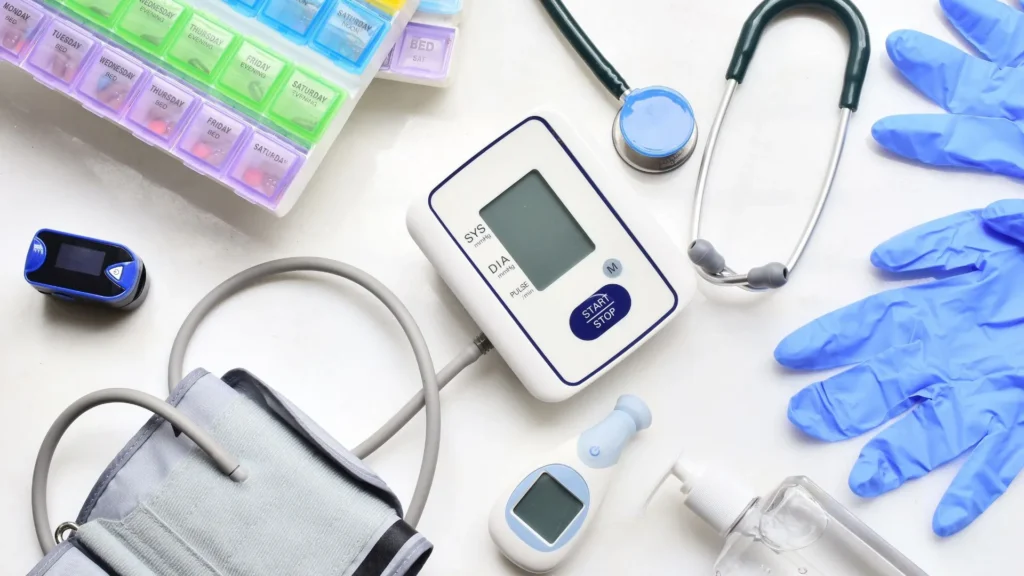
What does a medical assistant actually do? They’re the people who keep a clinic running. They take vitals, prepare patients for exams, assist physicians during procedures, handle administrative tasks, and act as the connection point between the patient and the rest of the care team. It’s a role that requires both clinical skill and people skills, and it sits at the center of how most healthcare settings function day to day.
If you’ve been looking for a way into healthcare that gives you real responsibility from the start, medical assistant training is one of the most well-rounded paths you can take, particularly in the North Bay, where demand across Sonoma County, Marin County, and the surrounding region continues to grow.
Why Medical Assisting Is a Strong Career Choice Right Now
The healthcare industry is one of the most stable sectors in the economy, and medical assistants are among the most consistently in-demand roles within it. Facilities need people who can handle both the clinical and administrative sides of patient care, and that combination makes medical assistants genuinely hard to replace.
A few reasons why medical assistant training makes sense as a career move:
- The training timeline is significantly shorter than a traditional degree, without sacrificing the depth of skills you gain
- You enter the workforce with both clinical and administrative competencies, which opens more doors than a single-focus role
- Medical assistants work across a wide range of healthcare settings, so you have real flexibility in where your career takes you
- The North Bay healthcare market is active and growing, with consistent hiring across doctor’s offices, urgent care centers, specialty clinics, and outpatient facilities
For anyone who wants a meaningful, stable career in healthcare without spending years in school, medical assisting offers a direct and well-supported path.
What the Program Actually Covers
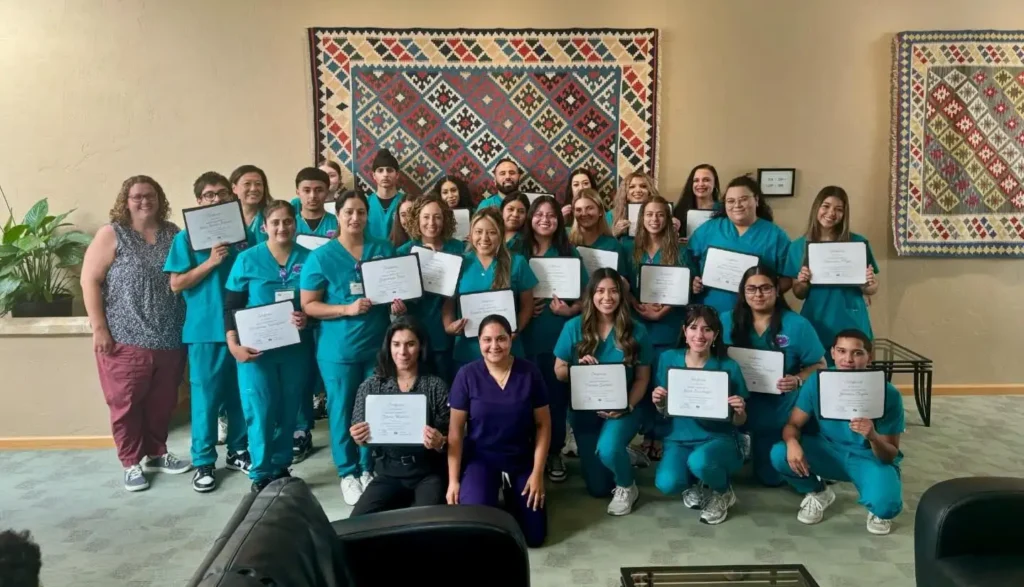
A strong medical assistant training program prepares you for the full scope of the job, not just the parts that are easy to teach. At Alpha First Medical Academy, the curriculum is built around what employers in the North Bay are actually looking for, and the training happens in a simulated medical environment so you’re practicing real skills, not just reading about them.
On the clinical side, you’ll learn how to take patient vitals, assist with examinations and procedures, prepare and maintain exam rooms, and handle basic diagnostic tasks. These are the hands-on skills that make you immediately useful the moment you walk into a facility. On the administrative side, you’ll develop competency in the day-to-day operations that keep a practice running, from patient intake and scheduling to documentation and communication with the care team.
Throughout the program, you’ll also build the professional habits that healthcare employers notice: how to communicate clearly with patients who are stressed or uncertain, how to work efficiently in a clinical environment, and how to carry yourself with the kind of professionalism that builds trust quickly.
Where Medical Assistants Work

One of the strengths of this career path is how many directions it can take you. The settings are varied, and each one offers a different kind of day-to-day experience.
Doctor’s offices are one of the most common placements for medical assistants, where you support physicians with both clinical tasks and the administrative flow of a busy practice. Urgent care centers move faster, with a constant mix of patients and conditions that keeps the work engaging and the skills sharp. Specialty clinics, whether in dermatology, cardiology, orthopedics, or another field, offer the chance to develop focused expertise alongside specialists who depend on their support staff. Outpatient facilities represent one of the fastest-growing areas of healthcare, centered on same-day procedures and a patient care model that puts a premium on efficiency and communication.
Each of these settings has its own rhythm, and the right fit depends on the kind of environment where you do your best work.
Why North Bay Students Choose Alpha First Medical Academy
Alpha First Medical Academy is a BPPE-approved institution in Petaluma, CA, and that approval is meaningful. It means the program has met California’s standards for private postsecondary education, which matters when you’re investing your time and money into a training program. Here’s what sets the Medical Assisting program apart:
- Hands-on training in a simulated medical environment, so you’re building real skills before you ever step into a clinical setting
- Instructors who are active healthcare professionals, not just educators
- A career-focused curriculum aligned with what North Bay employers are hiring for
- Personalized support from enrollment through job readiness
- BPPE-approved training that meets California’s educational standards
- Small cohort sizes that create a focused, supportive learning experience
Students come from throughout the region, including Petaluma, Santa Rosa, Napa, San Rafael, Novato, Rohnert Park, Sebastopol, Windsor, and surrounding communities. If you’re based in Sonoma County, Marin County, or anywhere in the greater North Bay, this program was built for you.
Ready to Take the Next Step?
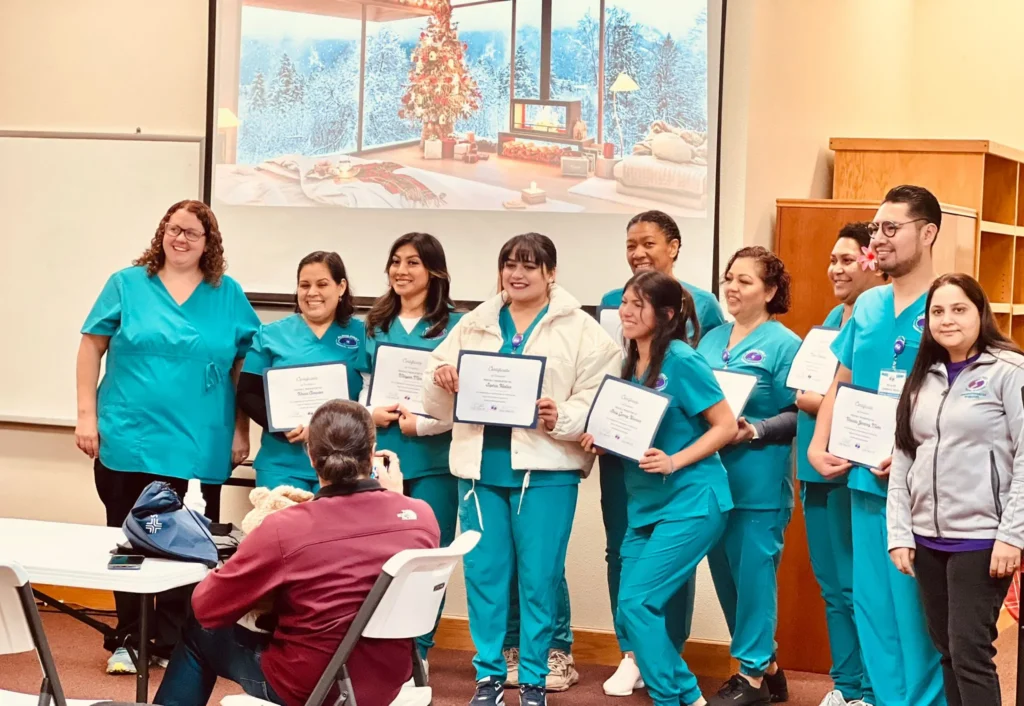
Medical assistant training in the North Bay is more accessible than most people realize. If you want to see exactly what the program includes and how the process works, visit our Medical Assisting Program page. If you have questions before you’re ready to commit, head to our contact page and our team will get back to you. Spots fill on a first-come basis, so reaching out sooner rather than later is worth it.