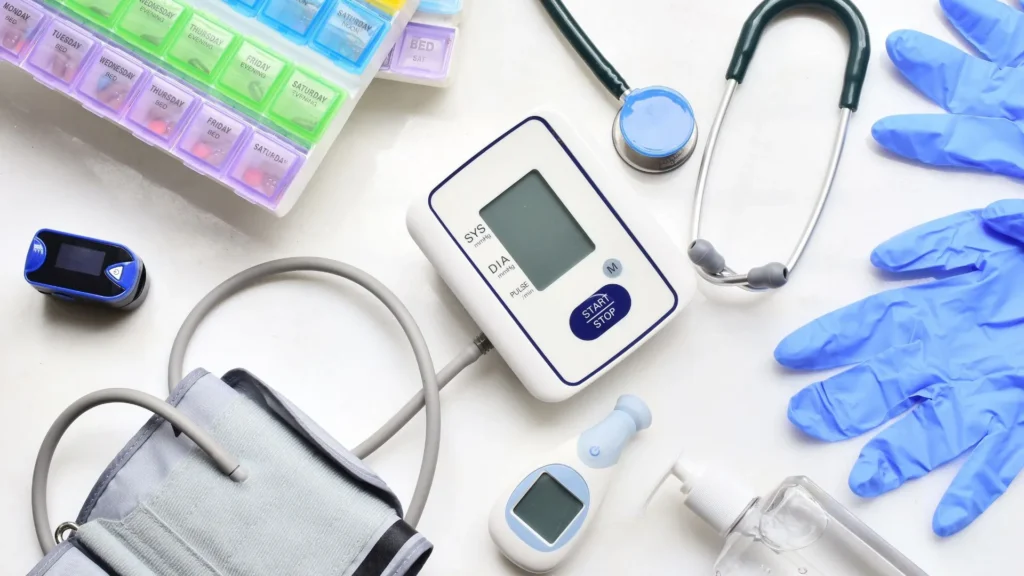

What does a phlebotomy technician actually do all day? They collect blood samples from patients, but the role goes further than that. Every draw has to be done correctly, labeled properly, and handled with care, because the results guide real medical decisions. Phlebotomy technicians are the first step in a chain that connects patients to diagnoses, and that makes the work genuinely meaningful.
If you’ve been thinking about a career in healthcare but aren’t sure where to start, phlebotomy training is one of the most direct paths available, especially in the North Bay, where healthcare facilities across Sonoma County and Marin County are consistently looking for qualified people.
Why Phlebotomy Is One of the Best Entry Points Into Healthcare
Most people assume breaking into healthcare requires years of school and significant debt. For many roles, that’s true. Phlebotomy is different. The training is focused, the timeline is short, and the skills you gain are immediately applicable in clinical settings. You’re not spending months studying concepts you won’t use. You’re learning exactly what the job requires, then going to do it.
The North Bay healthcare system runs on demand, which doesn’t slow down. Hospitals, diagnostic laboratories, outpatient clinics, and blood donation centers need trained phlebotomists throughout the year. For anyone looking for stable, purpose-driven work without a four-year commitment, phlebotomy training offers a realistic and well-supported path.
What the Training Actually Covers
A quality phlebotomy program doesn’t just prepare you to pass a certification exam. It prepares you to walk into a clinical setting with confidence. At Alpha First Medical Academy, the curriculum covers the full scope of what the job demands.
You’ll spend significant time on venipuncture and capillary collection techniques, practicing in a real training environment so the technique feels natural before you’re ever working with actual patients. Alongside that, you’ll build a solid understanding of the anatomy and physiology behind safe blood collection, including why certain veins are preferred, how the body responds during a draw, and what factors can affect specimen quality.
Infection control and proper specimen handling are covered thoroughly, because these aren’t just procedural checkboxes. They’re the habits that protect patients and protect you. Patient communication is also a core part of the program. Many patients are anxious about blood draws, and knowing how to explain the process, ease that anxiety, and maintain a calm environment is a skill that shapes the entire experience for the person in front of you. The program also addresses the legal and ethical responsibilities that come with the role, so you understand not just how to do the job, but how to do it professionally.
Where Phlebotomy Technicians Work

One of the advantages of this career path is the variety of settings available to you. Hospitals offer a fast-paced environment where you’re supporting patient care around the clock, and no two shifts look exactly the same. Diagnostic laboratories are more process-driven, with work that centers on precision and the accuracy of results that inform treatment decisions.
Clinics and outpatient centers tend to offer a steadier rhythm, with routine draws and a patient population you get to know over time. Blood donation centers are a strong fit for anyone drawn to direct community impact, where the work you do on any given day is connected to life-saving outcomes for people you’ll never meet. Each setting has its own pace and culture, and the right fit depends on what kind of environment brings out the best in you.
Why North Bay Students Choose Alpha First Medical Academy
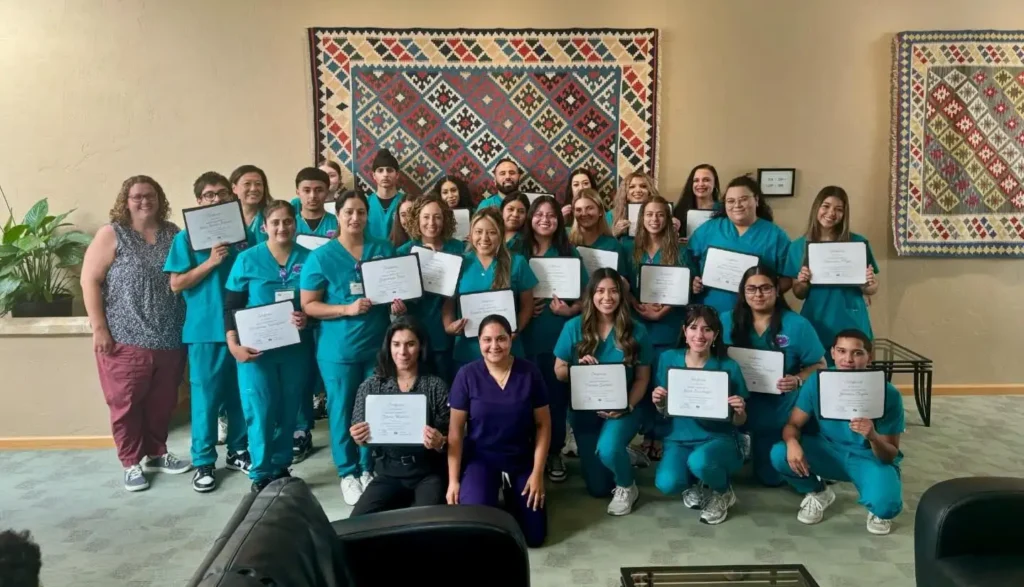
Alpha First Medical Academy is a BPPE-approved institution based in Petaluma, CA, which means the program meets California’s standards for private postsecondary education. That approval matters because it’s a guarantee of quality and accountability, not just a line on a certificate.
The Phlebotomy Technician program is built to be efficient without cutting corners. Every part of the curriculum reflects what employers in the North Bay are actually looking for, and you’ll learn from instructors who bring real clinical experience into the classroom.
Students come from across the region, including Petaluma, Santa Rosa, Napa, San Rafael, Novato, Rohnert Park, Sebastopol, Windsor, and surrounding communities. If you’re based in Sonoma County, Marin County, or anywhere in the greater North Bay, this program was designed with your community in mind.
Ready to Take the Next Step?
Phlebotomy training in the North Bay is more accessible than most people realize. If you want to understand exactly what the program includes and how enrollment works, visit our Phlebotomy Technician Program page. If you have questions you’d rather ask directly, head to our contact page, and our team will get back to you. The cohort fills on a first-come basis, so the sooner you reach out, the better.